
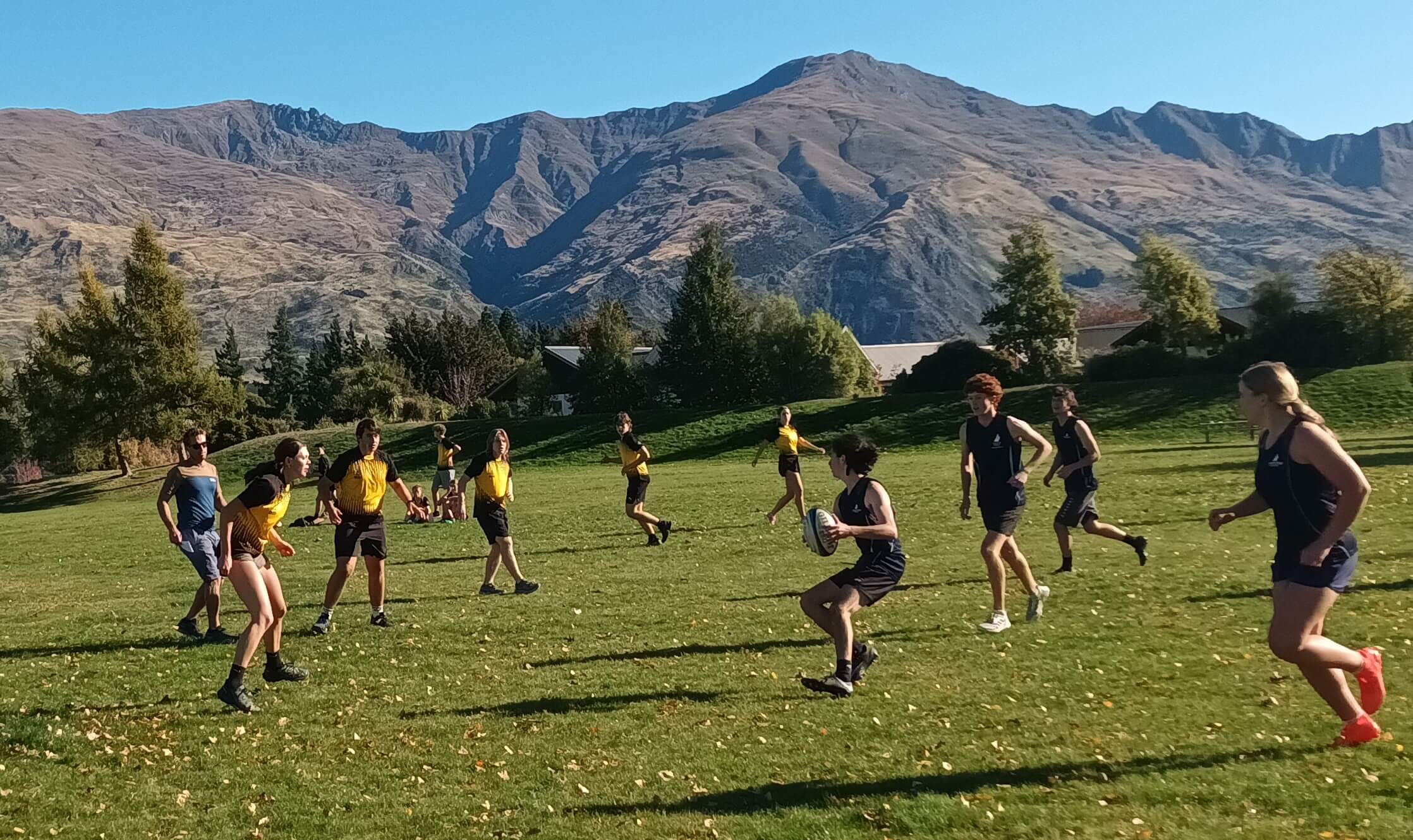
Discover transformative outdoor education courses in NZ, including adventure leadership, environmental education, and hands-on training. Begin your journey with leading institutions like Ara and EIT.
Programme Overview
Outdoor education courses in NZ offer a powerful blend of adventure, learning, and personal growth. Designed to develop practical outdoor skills, leadership capabilities, and a deep respect for the natural world, these programs are gateways to exciting careers in recreation, tourism, and education. The flagship program—New Zealand Certificate in Outdoor and Adventure Education (Multi-skilled) (Level 4)—lays a solid foundation for anyone drawn to the outdoors.
This certificate nurtures both physical and mental resilience. Students are immersed in hands-on activities that foster self-confidence and encourage teamwork. Whether you’re navigating a trail or leading a group through a canyon, every lesson is a step toward becoming a skilled outdoor leader.
Taught by Qualified Educators and Instructors
What sets New Zealand’s outdoor education apart is the calibre of its educators. At top institutions like the Ara Institute of Canterbury (Ara) and the Eastern Institute of Technology (EIT), programs are led by experienced instructors who bring years of field expertise. Their mentorship not only builds skills but also instills a deep love and respect for nature.
These professionals are more than just teachers—they’re adventurers, conservationists, and leaders. Their goal is to guide you safely through rigorous activities like rock climbing, sea kayaking, and mountain biking, while offering personalized coaching that transforms your outdoor experience.
Skills Development Across Various Outdoor Activities
The curriculum is built around practical, skill-based learning. From bush walking and rock climbing to sea kayaking and mountain biking, students engage in diverse activities that hone technical proficiency, risk management, and group dynamics.
Each outdoor discipline teaches more than physical ability. These activities also train the mind—fostering problem-solving, resilience, and adaptability in real-world scenarios. By completing these modules, learners gain outdoor recreation qualifications that are respected industry-wide.
Leadership Under Supervision in Low-Risk Environments
Students gradually step into leadership roles under the watchful eye of experienced instructors. These supervised sessions take place in controlled, low-risk environments to ensure safety and maximize learning. Here, learners test their decision-making and leadership under real pressure.
This approach empowers students to grow at their own pace. Through structured guidance and feedback, they develop confidence to eventually lead independently. This focus on outdoor leadership training is what sets these programs apart from traditional classroom learning.
Key Components
Adventure Leadership
Leadership is at the heart of every outdoor education course. Students explore leadership styles, develop communication skills, and learn to inspire trust in outdoor group settings. They understand how to balance safety, enjoyment, and learning objectives—an essential skill in the adventure tourism certification pathway.
By leading trips, facilitating activities, and managing group dynamics, students emerge as competent and confident outdoor leaders. These experiences create a foundation for further roles in guiding, education, and wilderness therapy.
Performance and Health
Optimal performance and well-being are critical in demanding outdoor environments. The curriculum integrates performance and health education that includes nutrition, injury prevention, and mental conditioning.
Students learn how to maintain peak physical and mental states during extended outdoor experiences. They are also trained to support others—building a culture of care and collective endurance that strengthens team outcomes.
Kaitiakitanga and Environmental Education
A unique feature of New Zealand’s approach is its deep integration of kaitiakitanga, the Māori principle of guardianship and environmental stewardship. Courses embed environmental education that teaches sustainability, conservation, and respect for the natural world.
This component fosters a lifelong ethos of care for the environment. Students not only learn to leave no trace but also become ambassadors for sustainable tourism and ecological education—equipping them to make a real difference.
Specific Activities: Sea Kayaking, Rock Climbing, Bush Walking, Mountain Biking
Hands-on learning is the soul of these programs. Expect to be out in nature practicing sea kayaking across stunning coastlines, tackling technical routes in rock climbing, navigating dense trails during bush walking, and mastering rugged terrain on mountain biking adventures.
Each activity is meticulously designed to build physical skill, risk assessment, and group coordination. This mix of technical and soft skill development ensures graduates are job-ready for a wide range of roles in the outdoor sector.
Programme Details
Full-Time, One-Year Duration
The New Zealand Certificate in Outdoor and Adventure Education (Level 4) is a full-time commitment that spans one academic year. This immersive timeframe allows for deep engagement with both theory and practical experience.
A year in the program will reshape how you view challenges, leadership, and nature. It’s intense, inspiring, and transformational—perfect for students ready to turn passion into profession.
Balance of Classroom Learning and Field Trips
Students thrive in a dynamic learning model that alternates between classroom-based theory and thrilling outdoor expeditions. Topics like safety management, group psychology, and risk assessment are taught indoors and tested in the field.
Field trips—ranging from local bush treks to coastal kayaking adventures—reinforce classroom knowledge. This blended format supports well-rounded development and retention.
Emphasis on Both Theory and Practical Skills
This program expertly combines textbook learning with real-world practice. Topics like adventure leadership, sustainability, and performance health are studied in class, then applied in rugged outdoor settings.
By graduation, students are not only academically knowledgeable but also physically prepared and emotionally grounded. This dual-focus approach ensures graduates are equipped for success in any outdoor or adventure education role.
Entry Requirements
NCEA Level 1 (80 Credits) Including Literacy and Numeracy
Applicants must have achieved NCEA Level 1 with at least 80 credits, including credits in literacy and numeracy. This ensures a baseline competency for both written assessments and safety-related reading tasks.
Strong communication and problem-solving skills are essential in outdoor leadership roles, and this academic requirement supports those competencies.
NZ Police Vetting and First Aid Certificate
To ensure participant safety and integrity, students are required to complete a New Zealand Police Vetting Service Request and Consent Form. This aligns with best practices in education and recreation sectors.
Additionally, applicants must hold a current two-day Comprehensive First Aid Certificate—a vital skill when exploring remote locations where immediate medical help may be unavailable.
Physical Fitness and Outdoor Readiness
Applicants must be able to swim at least 50 meters, ride a bike, and carry a fully packed overnight hiking backpack on multi-day treks. These basic physical requirements ensure students are prepared for the physical demands of the course.
Being fit and ready ensures safety and enhances the learning experience. It also reflects the commitment needed to thrive in adventure education.
Fees and Funding
Tuition and Services Fees
The indicative tuition cost ranges between $7,170 and $8,090 NZD per year, depending on the institution. Additionally, students are charged a Student Services Fee of approximately $370.50 NZD to access wellness, counseling, and support services.
These fees represent a sound investment in your personal and professional future. The skills and experiences gained are invaluable and open doors to meaningful careers.
Funding Assistance Available
Financial hardship should never be a barrier to education. Institutions like Ara and EIT offer funding assistance for eligible students, including scholarships and hardship grants.
Prospective students are encouraged to inquire early and explore their eligibility. With proper planning and support, the dream of becoming a certified outdoor educator is well within reach.
Career and Further Study Opportunities
Work in Outdoor Adventure, Recreation, and Tourism
Graduates are highly sought-after in outdoor adventure, recreation, and tourism industries. Roles include outdoor instructor, eco-tourism guide, camp facilitator, and youth development coordinator.
The certificate is recognized across New Zealand and internationally, giving students flexibility to work in national parks, schools, adventure companies, and community programs.
Pathways to Advanced Study
Many graduates choose to continue their studies with the New Zealand Diploma in Outdoor and Adventure Education (Multi-skilled) Level 5 or the Bachelor of Sustainability and Outdoor Education. These higher qualifications deepen leadership expertise and broaden employment opportunities.
Advanced qualifications prepare students for managerial roles, policy development, and specialist positions in environmental education and sustainability advocacy.
Conclusion
Outdoor education courses in NZ are more than just programs—they’re life-changing journeys. By choosing to study at leading institutions like Ara or EIT, you’re investing in a future that blends adventure, purpose, and environmental stewardship.
Whether you’re kayaking through tranquil waters, guiding a mountain trek, or teaching others about kaitiakitanga, you’ll emerge with confidence, competence, and a calling. The wild is waiting—are you ready to lead it?
FAQs
What is the New Zealand Certificate in Outdoor and Adventure Education? It’s a Level 4 qualification designed to prepare students for careers in outdoor leadership and adventure-based industries through hands-on learning and theoretical training.
Can international students apply for these courses? Yes, most institutions welcome international students. Check with Ara or EIT for specific entry requirements and visa details.
What kind of jobs can I get after completing this course? You can work as an outdoor instructor, adventure tourism guide, or recreation program coordinator in schools, camps, or eco-tourism companies.
Is there financial support available? Yes, both Ara and EIT offer support including scholarships and financial hardship funds.
Do I need to be extremely fit to join? While you don’t need to be an athlete, a reasonable level of fitness is required. You should be able to swim, cycle, and hike with gear over multiple days.
Can I continue studying after this certificate? Absolutely! Many students advance to the Level 5 Diploma or pursue a Bachelor of Sustainability and Outdoor Education.