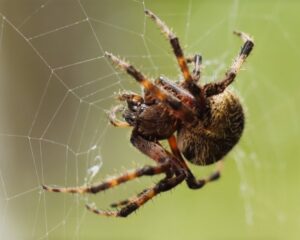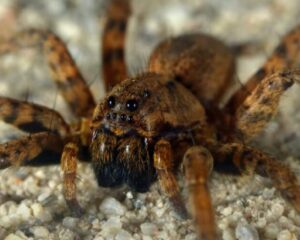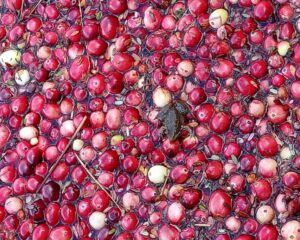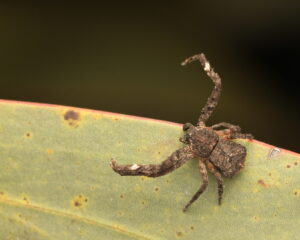
Explore the biology, behavior, and ecological importance of bog spiders — the semi-aquatic arachnids that link water and land.
Quick overview — what are “bog spiders”?
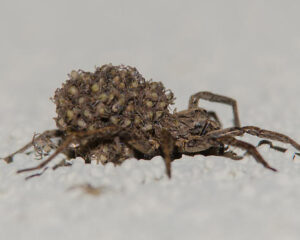
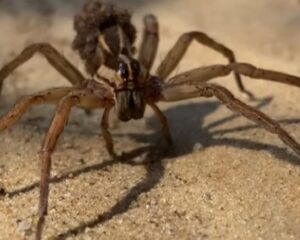
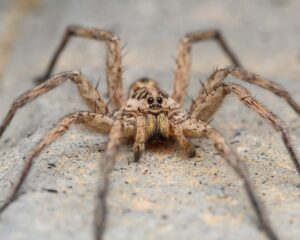
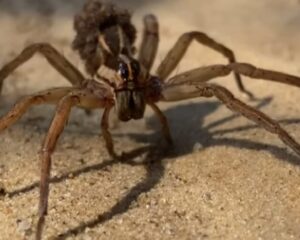
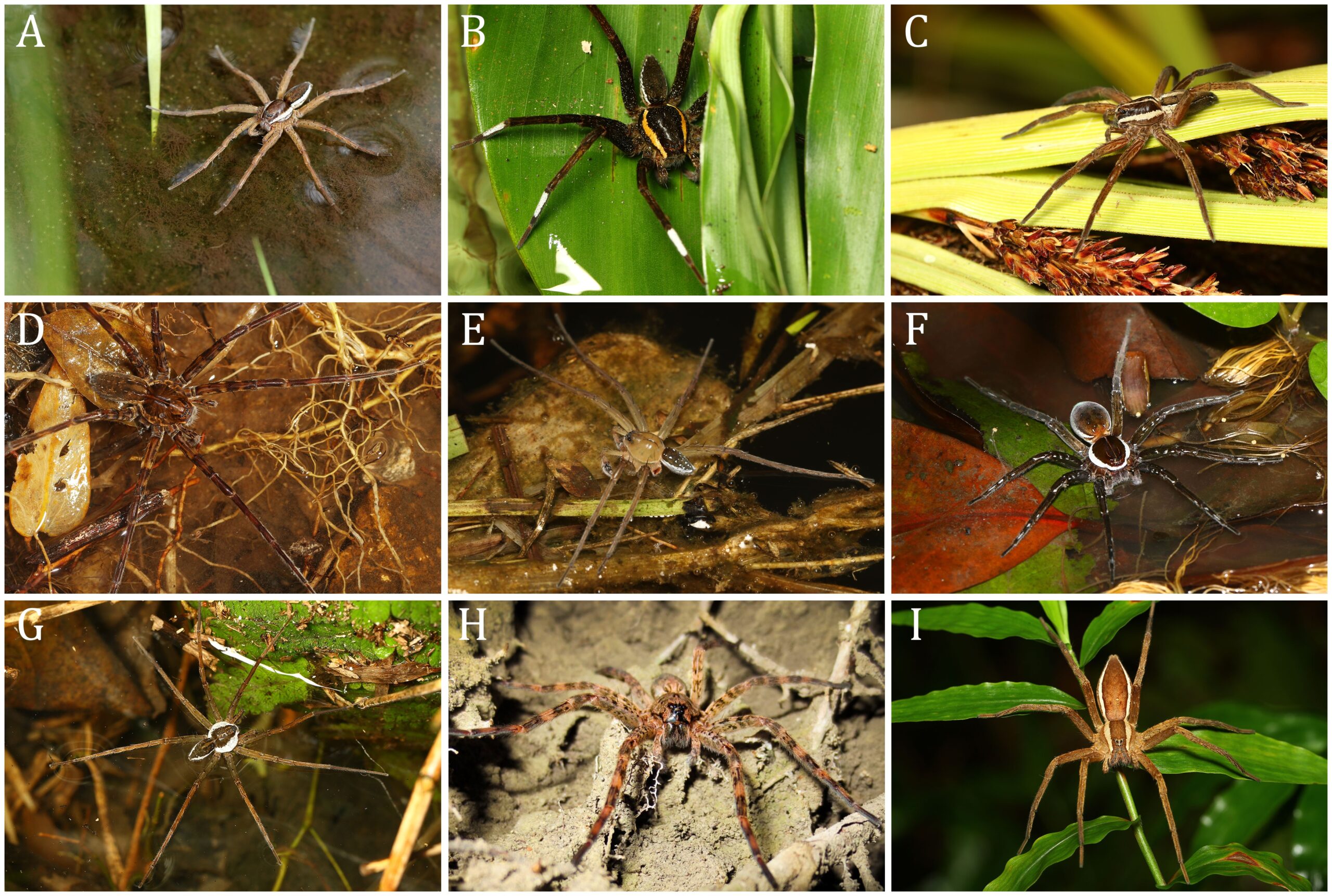
“Bog spiders” is an ecological nickname rather than a single taxonomic group. It commonly refers to semi-aquatic, wetland-associated spiders — especially members of the genus Dolomedes (fishing or raft spiders) — that specialize in hunting at water edges or on the water surface. Imagine long-legged arachnids using the pond as both hunting ground and highway: they rely on sensitive leg hairs, hydrophobic legs, and an ambush style that blurs the boundary between land and water. These spiders interest biologists because of how they shuttle energy across habitats and respond to wetland changes.
Bog & wetland habitats: peatlands, fens, marshes, and ponds
Wetlands are patchworks of open water, sedge tussocks, moss hummocks, and channels shaped by seasonality. Bog spiders occupy niches in this mosaic — sitting on reed stems, basking on logs, or waiting on floating vegetation. Peat bogs (acidic, nutrient-poor) support different communities than neutral fens or grazing marshes, and small differences in microtopography (hummocks vs. pools) or water level influence which spider species are present and when.
Peat bog structure and spider niches
Peatlands feature a spongy ground and pools. Hummocks provide dry perches and pools offer prey-rich hunting grounds. Spiders partition the space by life stage and microhabitat.
Seasonal dynamics in wetlands
Water levels, temperature, and insect emergence cycles change seasonally; spider activity and distribution track those dynamics. Many species peak in visibility at dawn/dusk during warm months.
Key species often called “bog spiders”
Dolomedes triton (six-spotted / fishing spider)
A North American wetland specialist often seen running on pond surfaces and dock edges. It preys on water bugs, damselfly larvae, and sometimes small fish.
Dolomedes plantarius (great / fen raft spider)
Found in Europe, this fen-dependent species prefers neutral to alkaline pools with emergent vegetation. It is sensitive to hydrological change and has been the focus of conservation efforts in several regions.
Dolomedes fimbriatus (raft spider)
Widespread in boggy ponds and marsh edges. It often positions its legs on the water surface, waiting for ripples that signal prey.
Anatomy & specialized adaptations for watery life
Leg hydrophobicity and surface tension use
Bog spiders exploit water surface tension. Their long legs distribute weight so they don’t break the water film, and microstructures on their legs reduce wetting — allowing them to “skate” or run across the surface to reach prey quickly.
Sensory hairs and vibration detection (chaetae)
Dense mechanosensory hairs detect extremely fine ripples and vibrations. To a spider, the pond surface is a sensitive soundboard: even subtle disturbances tell the spider when prey has arrived.
Behavior and hunting strategies
Ambush on water surfaces and emergent vegetation
These spiders typically sit in wait on vegetation, floating leaves, or bank edges. When the water vibrates, they sprint across the surface or dive to seize prey. Their foraging is flexible: they capture both aquatic and stranded terrestrial insects.
Diet breadth — aquatic invertebrates to small vertebrates
While aquatic invertebrates (water bugs, midges, dragonfly nymphs) make up much of the diet, larger individuals may take tadpoles, small fish, and juvenile amphibians. This wide prey spectrum increases their influence across both aquatic and terrestrial food webs.
Ecological roles and trophic importance
Connecting aquatic and terrestrial food webs
Bog spiders act as ecological bridges. By feeding on aquatic larvae and being prey for terrestrial animals (birds, mammals), or by contributing nutrients when they die, they move energy across habitat boundaries. Their diets often contain both aquatic and terrestrial signatures, showing how integrated their role is in wetland systems.
Predator, prey, and ecosystem regulation
Because they consume abundant wetland invertebrates, bog spiders can influence prey populations (e.g., mosquito larvae), which in turn may affect other predators and disease vectors. Their predation can alter invertebrate community composition and have cascading effects on nutrient cycling and food-web interactions.
Biodiversity implications — bog spiders as indicators
Spider communities in bogs and fens are sensitive to habitat structure and successional stage. Intact peatlands host distinct assemblages compared to drained or modified peatlands. This sensitivity makes certain bog spider species useful bioindicators: their presence (or absence) can signal water quality, vegetation structure, and hydrological integrity — information valuable to conservationists and ecologists.
Research methods & what scientists measure
Pitfall traps, sweep nets, visual surveys
Ecologists sample spider diversity using a mix of passive methods (pitfall traps) and active techniques (sweep nets, timed visual surveys along banks). For semi-aquatic species, targeted visual searches near dawn/dusk often yield the best observations.
Stable isotopes and trophic position studies
Stable isotope analysis (carbon and nitrogen isotopes) helps quantify how much aquatic versus terrestrial food supplies contribute to spider diets. These studies reveal trophic position and the degree to which spiders integrate cross-habitat resources — powerful tools for understanding energy flow in wetlands.
Threats and conservation status
Major threats include wetland drainage for agriculture, peat extraction, pollution (nutrient loading or acidification), invasive plants, and climate-driven drying. Species with narrow habitat requirements, such as fen specialists, can be locally extirpated when pools are drained or overgrown. The fen raft spider is an example of a species flagged for conservation due to habitat loss and hydrological change.
Restoration wins: rewetting peatlands and responses
Hydrological restoration — rewetting peatlands and recreating natural pool-sedge mosaics — can rapidly improve habitat for raft spiders and other wetland specialists. Many restoration projects report the return of invertebrate assemblages, including raft spiders, as pools recover and emergent vegetation re-establishes, demonstrating that targeted restoration benefits entire wetland food webs.
How to observe bog spiders ethically (citizen science tips)
- Approach slowly and keep your distance; use a zoom lens for close photos.
- Observe at dawn/dusk when spiders are most active; avoid disturbing nursery webs or egg sacs.
- Record habitat notes: water depth, emergent vegetation, date, and GPS location — this metadata helps researchers.
- Upload photos and sightings to platforms like iNaturalist or local biodiversity portals to support distribution monitoring.
Why ecologists (and you) should care
Bog spiders illustrate wetland complexity: by hunting across the waterline, they show how fluid the boundary between land and water truly is. Studying them helps ecologists understand energy flow, assess habitat condition, and prioritize restoration. And honestly — watching a raft spider sprint across a pond is one of nature’s best little spectacles.
Conclusion
Bog spiders are far more than spooky marsh folklore. From the six-spotted fishing spider skimming ponds to the fen raft spider clinging to reed stems, these arachnids link aquatic and terrestrial worlds, influence prey communities, and act as sensitive indicators of habitat quality. Protecting and restoring wetlands preserves their microhabitats and ensures these remarkable hunters continue to patrol their watery kingdoms.
FAQs
Q1: Are bog/fishing spiders dangerous to humans?
A: Not generally. Dolomedes species can bite if handled roughly, but bites are uncommon and typically result in localized pain similar to a bee sting. They are not aggressive toward people.
Q2: How can I tell a raft spider from a wolf spider?
A: Raft (fishing) spiders usually have longer legs, a tendency to sit near water, and a distinct hunting behavior on the water surface. Eye arrangement and body pattern also differ; behavior (hunting on water) is often the clearest field clue.
Q3: Do bog spiders eat mosquitoes — could they reduce mosquito numbers?
A: They do eat aquatic larvae, including mosquito larvae, when available. However, they are generalist predators and unlikely to be the sole controller of mosquito populations. They contribute alongside other predators to multi-species control.
Q4: How do scientists monitor rare raft spiders like Dolomedes plantarius?
A: Through targeted surveys at known sites, habitat assessments (water chemistry and vegetation mapping), mark-recapture or photographic records, and hydrological monitoring. Habitat restoration and long-term monitoring are key for conservation.
Q5: Can wetland restoration really bring back bog spider populations?
A: Yes. Restoring natural water levels, reconnecting pools, and removing invasive plants can recreate the emergent vegetation and water conditions raft spiders require. Many rewetting projects report positive responses in spider presence and diversity.
-
Discover the fascinating world of bog spiders and how these hidden predators keep wetland ecosystems thriving. 🕷🌿
-
Learn their role in biodiversity, food webs, and habitat balance in this in-depth ecological exploration.