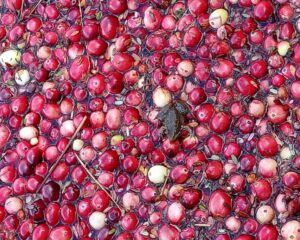
Have you ever wondered why a spider’s size is more than trivia for ecologists? In cranberry bogs—wet, patchy, and teeming with insect life—size influences what a spider can catch, how it hides, how it survives floods, and even how it contributes to pest control. In this guide we’ll walk through the biology, measurement, ecology, and practical implications of cranberry bog spiders size for researchers, students, and ecology enthusiasts.
What are “cranberry bog spiders”?
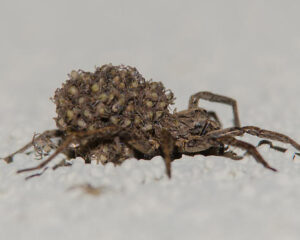
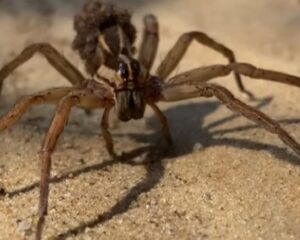
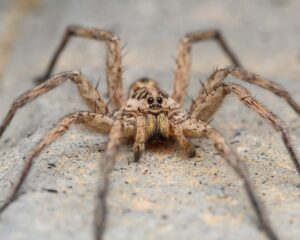
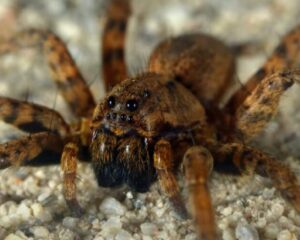
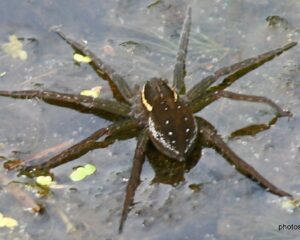
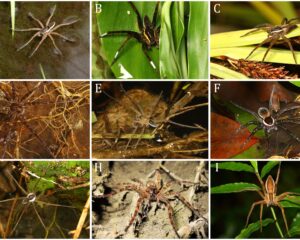
The term “cranberry bog spiders” is not a single species name but a habitat-based label: spiders commonly found in or around cranberry bogs (wetland agricultural areas). These assemblages typically include hunting spiders such as wolf spiders (Lycosidae), nursery-web spiders, various ground-dwelling and web-building species that have adapted to bog microhabitats. The label emphasizes habitat association rather than strict taxonomy.
Taxonomy & common species found in cranberry bogs
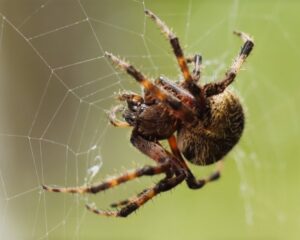
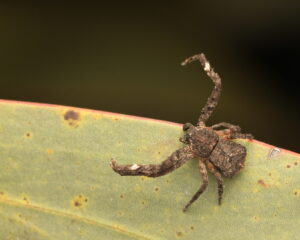
Cranberry bog communities commonly contain representatives from multiple families: Lycosidae (wolf spiders), Pisauridae (nursery-web spiders), Araneidae (orb weavers), Linyphiidae (sheet weavers), and Oxyopidae, among others. Which families dominate depends on region, bog management, and season. For many bogs, fast-moving ground-hunting spiders (like wolf spiders) are abundant and ecologically important.
Behavioral notes relevant to size (hunters vs web-builders)
Behavior and hunting style relate closely to size. Active hunters rely on speed and robust bodies to subdue prey and often have larger, sturdier builds; web-builders may be smaller-bodied but have long legs or web structures that extend their effective reach. Those differences create different “size niches” within a bog ecosystem.
How scientists measure spider size
Accurate size measurement is more than a ruler and a guess. There are established approaches used in field and lab work to ensure consistency and comparability.
Body length vs. legspan: definitions and why both matter
“Body length” typically means the combined length of the cephalothorax and abdomen measured along the midline (i.e., not counting legs). “Legspan” or “legspan across outstretched legs” is the distance between the tips of the longest legs and gives a better sense of the spider’s apparent size in the field and its mechanical reach. Both metrics are important: body length is good for taxonomy and growth studies; legspan helps understand locomotion and predation reach.
Tools and techniques: calipers, photography, and scaling
In the field, researchers often photograph spiders beside a scale (a coin, ruler strip, or a standardized scale bar) and later measure pixels in software. In the lab, digital calipers measure body length (to 0.1 mm). High-resolution photos under a stereo microscope are standard for voucher specimens. Consistency (same orientation, same landmarks) is crucial to reduce measurement error.
Specimen preservation and its effects on measurement
Alcohol preservation can shrink soft tissues; posture changes (legs tucked) can alter perceived legspan. When comparing preserved vs. live specimens, note preservation method and apply correction factors when possible.
Typical size ranges observed in cranberry bogs
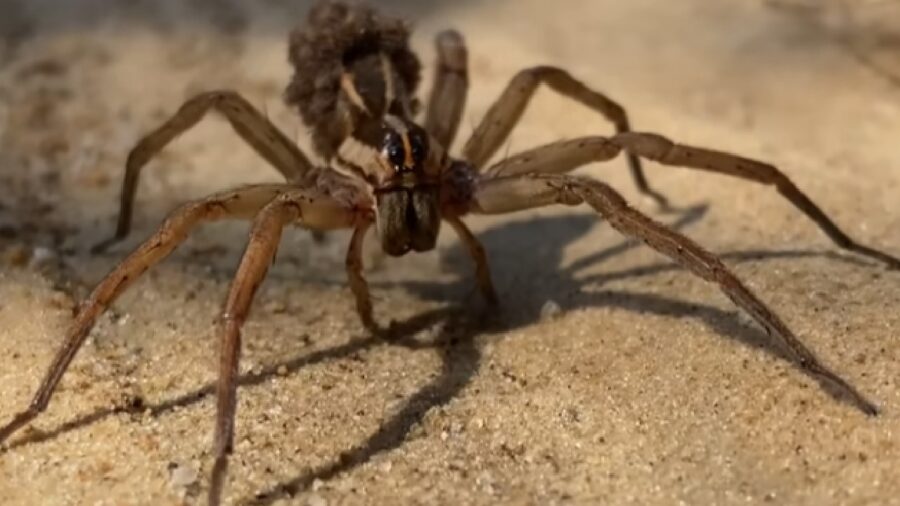
There’s no single size for “bog spiders,” but many of the common hunter spiders found in cranberry bogs fall within a predictable band. For example, wolf spiders observed in cranberry fields commonly range from roughly 10 to 35 mm in body length depending on species and sex—legspans can be considerably larger. These ranges give a rough expectation for what ecologists will encounter in North American bogs.
Adult females — typical body lengths and variation
Female sizes vary by species, but in many bog-associated Lycosidae females are often at the upper end of the size range for that species. Females tend to be bulkier (larger abdomens) because of egg production—so when you measure a female’s body length, remember it may fluctuate with reproductive state.
Adult males — typical body lengths and differences
Males are often smaller and more slender, optimized for mobility and mate searching. In some species male and female sizes only differ slightly; in others the difference is pronounced (sexual dimorphism). Smaller males may be more agile, while larger females have greater fecundity.
Juveniles and instars — growth stages and size progression
Spiders grow by molting (ecdysis). Juveniles will show stepwise increases in body length across instars; tracking size by instar provides insight into growth rates and seasonal dynamics in bog populations.
Sexual dimorphism and size-related behaviors
Size shapes mating tactics: large females may be stationary and wait for mates; small males may roam. Size also impacts mate choice and predation risk—larger individuals may face different predators than tiny juveniles.
Ontogeny and molting: how size changes through life
Growth in spiders is discontinuous. Each molt adds size, and the interval between molts depends on food, temperature, and species. In bogs, seasonal floods and prey pulses can cause synchronous growth patterns in local populations—meaning many juveniles molt around the same time when conditions are favorable.
Environmental drivers of size (nutrition, temp, water)
Spider size in bogs is dynamic and reflects environmental inputs. Let’s break down the main drivers.
Prey availability and nutrition
More prey → better nutrition → faster growth and larger adult size. In a bog, insect community composition (mosquitoes, dipterans, small beetles) will shape what spiders can exploit. If prey is predominantly small, spiders may mature at a smaller size.
Temperature, humidity, and bog hydrology
Temperature influences metabolic rate and growth speed. Bogs can be cooler and moister than surrounding uplands; microclimates will produce local size differences. Flooding events (harvest floods, seasonal inundation) can select for spiders that either tolerate immersion or are mobile enough to escape—size can mediate survival.
Human impacts: pesticides, habitat management
Pesticide use and management practices can shift the size structure of spider communities by reducing prey or causing sublethal effects that slow growth. Many bog-management strategies that preserve spider-friendly microhabitats help maintain healthy size distributions and thereby natural pest control.
Ecological implications of spider size in cranberry bogs
Size shapes ecological roles: who they eat, who eats them, and how effective they are as pest controllers. Larger wolf spiders can take larger prey and may suppress pest outbreaks more effectively than smaller species. A diverse size structure usually indicates a resilient predator community.
Predation, prey selection, and trophic role
Small spiders often focus on small dipterans and springtails; medium-to-large hunters can tackle beetles and larger pests. Predators of spiders (birds, shrews, amphibians) also target particular size classes, creating a dynamic size-structured food web.
Pest control services: size matters for prey range
If your research interest is ecosystem services, note that the cranberry bog spiders size distribution will correlate to the range of pests those spider communities can suppress—so measuring size distribution is directly relevant to applied ecology and integrated pest management.
Field ID tips using size (photography, scale, quick measures)
Quick, reproducible tricks: always photograph spiders beside a known scale (ruler, coin), take ventral and dorsal shots for body-length landmarks, and note posture. In wet conditions, use a shallow portable tray to coax a spider onto a white background with a scale for safer, less stressful measurement.
Research methods, ethics, and data recording best practices
Use non-lethal sampling when possible: photograph, measure, then release. If collecting vouchers, record preservation method, time of day, microhabitat, and an accurate size measurement before preservation. Use standardized forms and store photos and metadata—size data is only useful when paired with precise context.
Common misconceptions about cranberry bog spiders and size
Myth: “All bog spiders are huge and dangerous.” Reality: most bog spiders are modest in body length (often under 35 mm) and are ecologically valuable. Myth: “bigger always means more dangerous to humans.” Most large bog spiders are shy hunters and not medically significant. Accurate size reporting can help demystify these creatures.
Practical advice for researchers and students
If you’re designing a study: (1) choose consistent measurement landmarks; (2) use a scale in every photo; (3) record sex and life stage; (4) consider both body length and legspan; and (5) pair size data with prey surveys to link form to function. These steps will make your data robust for publication and management recommendations.
Conclusion
Size is a surprisingly powerful lens through which to view cranberry bog spider ecology. From measurement techniques (body length vs legspan) to the influence of temperature and prey, size tells a story about life-history strategies, ecosystem function, and applied pest control. For biologists and ecologists, careful, standardized recording of cranberry bog spiders size isn’t trivia—it’s data that links biodiversity to ecological services.
Frequently Asked Questions
Q1: What is the best single measure to report for spider studies — body length or legspan?
A: Report both if possible. Body length is standard for taxonomy and growth; legspan better reflects ecological reach and predator/prey interactions. If you must choose one, pick body length for cross-study comparison and always note orientation and landmarks used.
Q2: How big are the largest spiders I might find in a cranberry bog?
A: In many North American bogs, larger hunter spiders (e.g., some wolf spiders) reach body lengths up to about 30–35 mm; legspans can be much larger. Most other bog species are smaller. These are general ranges; regional species differ.
Q3: Will flooding during cranberry harvest wash away big spiders?
A: Many bog spiders have behavioral and microhabitat strategies to avoid inundation (climbing plant stems, hiding in pockets of peat). Flooding can shift community composition but does not simply “wash away” entire spider populations—timing and duration matter.
Q4: Can I use a coin as a field scale for measuring size?
A: Yes — provided you record the coin type (and exact diameter) and photograph the spider on the same plane as the coin. Coins are a practical, portable scale with low impact on the animal.
Q5: Are larger bog spiders better for pest control than smaller ones?
A: Larger spiders generally handle a wider prey size range, so they can suppress larger pests, but functional effectiveness depends on abundance, hunting strategy, and prey composition. A diverse size distribution often gives the most stable pest-suppression service.
- Discover the surprising world of cranberry bog spiders and their fascinating size in this in-depth guide for biology and ecology lovers.
- Explore their unique adaptations, habitats, and ecological role in cranberry fields and wetlands.