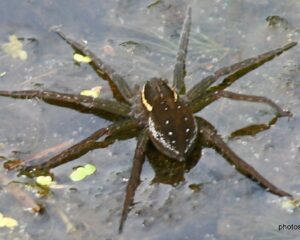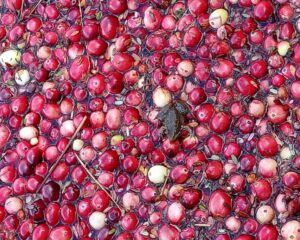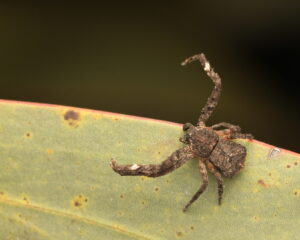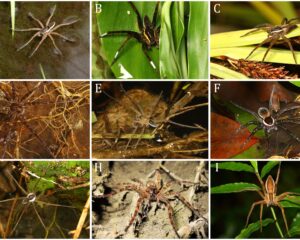
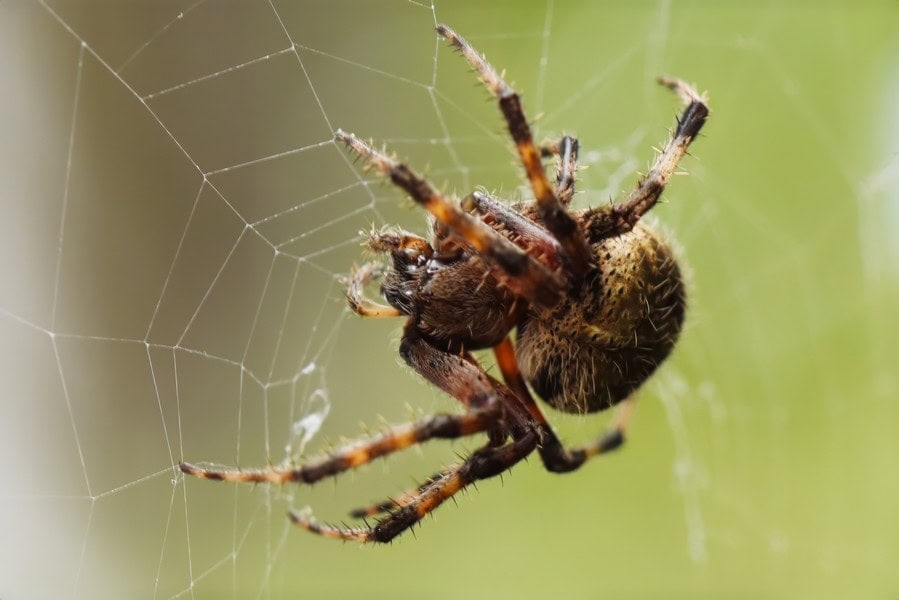
If you walk the boardwalks around a cranberry bog at dawn, you might miss a tiny whirlwind of life underfoot. Bog spiders — small, often cryptic arachnids adapted to wet, acidic habitats — are quietly doing ecosystem work that matters to ecologists, growers, and anyone who loves healthy wetlands.
Introduction: Why Bog Spiders Matter
Bog spiders are more than curiosities — they are functional parts of wetland ecosystems and often allies to growers. This article dives into who they are, why cranberry fields attract them, and how they shape agroecosystems. Think of them as the under-appreciated gardeners of the bog: invisible, efficient, and crucial.
What Are Bog Spiders? (Overview & Taxonomy)
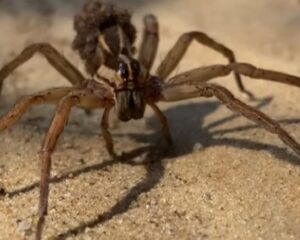
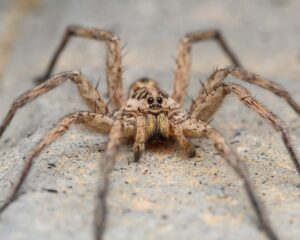
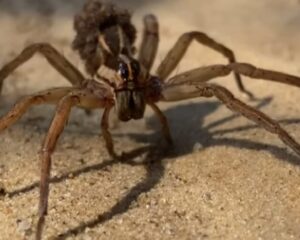
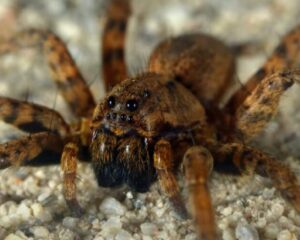
Bog spiders aren’t a single species but rather a suite of species adapted to peatlands, fens, and cranberry bogs. Depending on geography and microhabitat you may find members of families such as Lycosidae (wolf spiders), Linyphiidae (sheet weavers), and Thomisidae (crab spiders). Their ecological niche — saturated, cool, and plant-dense — sets them apart from upland relatives.
Family relationships and common genera
Common genera in boggy habitats include Pardosa (wolf spiders), Pityohyphantes and Erigone (small sheet-weavers), and some crab spiders that sit on vegetation waiting for prey. Each genus brings unique foraging styles and seasonal rhythms that, together, create a resilient predator guild.
Key morphological traits
Bog-adapted spiders often have hydrophobic hairs, compact bodies to resist waterlogging, and coloration that blends with mosses and wet detritus. Sizes range from just a few millimeters to around 1–1.5 cm body length in many species — lightweight and agile, ideal for clambering through cranberry vines and sphagnum moss.
Cranberry Bogs: A Unique Habitat
Cranberry marshes are human-managed wetlands with standing water cycles, dense vine mats, and variable microtopography. Unlike a forest floor, bogs are wet, acidic, and heterogenous — perfect for specialized arthropods.
Hydrology and vegetation
Cranberry bogs alternate flooded and drained states during the year. When flooded, many predators retreat; when drained, insects and spiders become active. Vegetation — cranberry vines, sedges, mosses — creates a layered habitat structure where spiders find niches for webs, retreats, and ambush points.
Microhabitats within bogs
Within a bog you’ll find hummocks, shallow pools, decomposing peat, and dense vine mats. Each microhabitat supports different spider assemblages: sheet-weavers in low, mossy carpets; wolf spiders hunting on vine surfaces; and crab spiders on flower scapes.
Why Cranberry Fields Attract Bog Spiders
Two big reasons: prey and shelter.
Food availability and prey dynamics
Cranberry fields host a rich insect community — aphids, thrips, moths, and midges — that becomes prey for spiders. Transitional water regimes can boost some insect populations, creating abundant food for opportunistic predators.
Shelter and microclimate benefits
The dense canopy of cranberry vines reduces temperature swings, traps humidity, and provides anchor points for webs and retreats. During hot days or drought, vine shade gives spiders a refuge; during cooler months, the microclimate buffers extreme lows.
Behavior and Daily Life of Bog Spiders in Bogs
Spiders are not just sitting around — their behavior is finely tuned to the bog’s rhythms.
Foraging strategies
Some bog spiders are active hunters — prowling the vine mat and pouncing on prey like wolf spiders. Others build low sheet or tangle webs among stems to intercept flying or jumping insects. Ambush predators, such as crab spiders, sit patiently on flowers and leaves.
Mating and seasonal cycles
Many bog species have seasonal peaks: egg sacs in late summer, spiderlings emerging in autumn or the following spring, and adults visible in the growing season. Some species time reproduction to coincide with insect peaks that follow flooding or bloom events.
Ecological Roles: Pest Control and Food Webs
Bog spiders are natural pest managers and integral food-web participants in cranberry agroecosystems.
Natural pest regulation in cranberry agroecosystems
Spiders prey on many cranberry pests — young caterpillars, thrips, and aphids — providing biological control that can reduce reliance on chemical interventions. When habitat is maintained, spider populations can contribute substantially to pest suppression.
Interaction with pollinators and non-target effects
While some spiders (notably crab spiders) may ambush flower visitors, in diverse systems the net effect on pollination is often neutral or even positive because spiders suppress herbivores that damage flowers. Thoughtful management minimizes any trade-offs.
Adaptations to Wet, Acidic Environments
Bog life is tough: low nutrients, acidic water, and periodic flooding. Bog spiders have evolved clever adaptations to persist.
Physiological and behavioral adaptations
Hydrophobic body hairs and the ability to seek elevated micro-sites help spiders avoid drowning. Some species enter quiescent states during prolonged flooding or construct silk retreats above water. Tolerance to acidity is partly behavioral and partly physiological.
Camouflage and web architecture
Coloration that matches sphagnum moss, twig detritus, or cranberry leaves makes spiders nearly invisible. Webs tend to be low and dense, designed to catch small, weak flyers rather than large moths.
Monitoring and Identifying Bog Spiders
Interested in surveying bog spiders? Use a mix of simple techniques.
Field survey techniques
Pitfall traps, sweep nets, and timed visual searches are staples. In bogs, place pitfall traps on hummocks and vine mats to sample ground-active hunters and use sweep nets for the canopy and web-builders.
Photographs, keys, and citizen science
High-resolution photos of eye arrangement, genitalia (for species-level ID), and web structure aid identification. Platforms like iNaturalist allow volunteers and experts to build distribution records for bog-adapted spiders.
Conservation Concerns and Habitat Management
Cranberry production can coexist with biodiversity — but only with thoughtful management.
Threats from drainage, pesticides, and monoculture
Drainage and peat extraction destroy bog microhabitats. Broad-spectrum pesticides kill spiders and their prey, causing trophic cascades. Monoculture reduces structural diversity and makes fields less hospitable to spiders that need complex vegetation.
Biodiversity-friendly cranberry farming practices
Simple steps help: conserve edge vegetation, maintain undrained refuges, use selective pesticides only when necessary, and adopt integrated pest management (IPM). Buffer strips with native plants and retaining small wet features in the matrix keep spider populations healthy.
Research Gaps and Future Directions
There’s still much to learn about bog spider communities in managed cranberry systems.
What ecologists still don’t know
Species inventories for many bogs remain incomplete. We lack long-term data on how spider assemblages respond to changing water regimes and how management practices influence pest control efficacy.
Priority studies for applied ecology
High-priority studies include controlled experiments on spider-mediated pest suppression, surveys linking management to spider diversity, and physiological research on flooding tolerance.
Practical Takeaways for Growers and Ecologists
Low-cost interventions growers can use
- Retain small, non-flooded refuges along field margins.
- Reduce broad-spectrum insecticides during peak spider activity.
- Encourage ground-cover diversity to provide hunting grounds.
How ecologists can collaborate with farmers
Co-design monitoring that gives growers actionable insights: show how spider abundance predicts pest outbreaks or trial buffer-strip plantings and measure outcomes.
Citizen Science & Outreach: Getting People Involved
Spiders make great outreach subjects — they’re small, visible, and ecologically important.
Simple survey projects for schools and volunteers
Host a “bog spider week” where volunteers conduct timed searches and upload photos. Use simple ID guides and reward discovery of rare species to build community science and conservation literacy.
Case Studies & Anecdotes (Illustrative Examples)
In one temperate cranberry cooperative, growers noticed fewer thrips in fields with intact wet margins. Paired studies suggested spider abundance was a key factor. Workers also report seeing wolf spiders hunting in dew-laden vines — tiny predators, big effect.
Conclusion
Bog spiders cranberry communities are much more than tiny curiosities — they’re functional components of bog ecosystems and allies to cranberry growers. By understanding their taxonomy, behavior, and habitat needs, we can design farming practices that protect biodiversity while supporting crop health. Protect the hummocks, respect the margins, and you’ll be protecting a living web of benefits.
Boost your bog ecology content with sambox.co.nz — professional SEO services tailored for niche ecology and agroecosystem audiences. Optimize your articles, reach researchers and growers, and turn science into clicks.
FAQs
- Q1: Are bog spiders harmful to cranberry crops?
- A1: No — bog spiders generally help cranberry crops by preying on pest insects. They rarely damage plants and are considered beneficial predators in agroecosystems.
- Q2: How can growers encourage more spiders in their fields?
- A2: Maintain undisturbed margins, preserve microtopographic features (hummocks), reduce broad-spectrum pesticide use, and plant or conserve diverse ground cover.
- Q3: Do flooding cycles for cranberry harvests kill spider populations?
- A3: Flooding can temporarily displace spiders, but many species persist in refuges or recolonize quickly. Repeated, prolonged flooding combined with habitat loss poses the biggest risk.
- Q4: Can I identify bog spiders without a microscope?
- A4: You can identify general groups (wolf spider vs. sheet-weaver) by size, behavior, and web presence, but species-level ID often requires close inspection or expert help.
- Q5: Where can I report bog spider sightings?
- A5: Use citizen-science platforms like iNaturalist or local biodiversity databases; include clear photos, date, and habitat notes (e.g., cranberry bog, hummock, flooded area).
- Discover the secret world of bog spiders in cranberry fields — tiny predators that keep ecosystems balanced and thriving.
- Learn why these hidden gems matter for biology, ecology, and the future of sustainable cranberry farming.