Introduction — Why Cranberry Fields Matter for Ecology
Cranberry fields — or cranberry bogs — are more than tidy rows of ruby fruit. They are living, breathing wetland mosaics that support a surprising diversity of life. If you’re a biology, zoology, or ecology fan, you’ve probably asked: what critters call these soggy farms home? Enter the bog spiders. These small but important predators carve out an ecological niche in cranberry systems, influencing prey populations, ecosystem function, and even crop health. In this article I’ll take you through everything from spider anatomy to practical conservation steps you can use or test in the field.
What are Bog Spiders? (Taxonomy & General Biology)
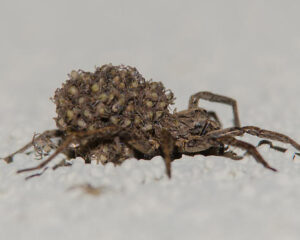
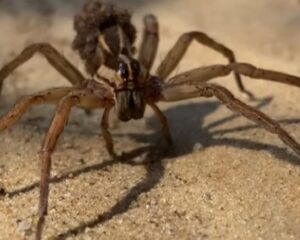
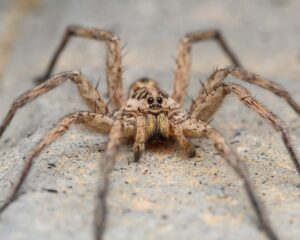
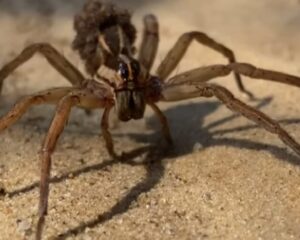
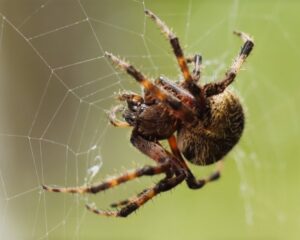
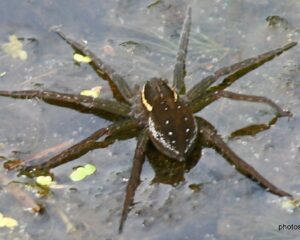
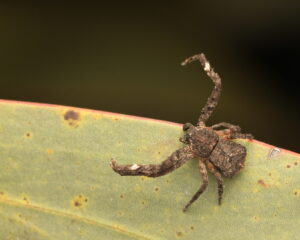
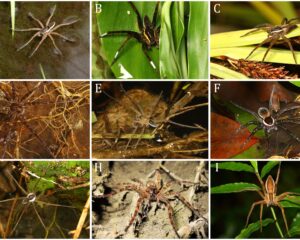
‘Bog spiders’ isn’t a strict taxonomic label the way “Lycosidae” or “Araneidae” is. Instead, it’s an ecological shorthand for spiders that specialize in wetland or bog-like habitats. The group commonly includes wandering wolf spiders (Lycosidae), fishing/spider-like Pisauridae in wetter patches, and small ground-dwellers that exploit the litter and low vegetation around cranberry vines. These spiders are generally adapted to moist conditions and often time their life cycles with seasonal water regimes in the bog.
Morphology and Behavior
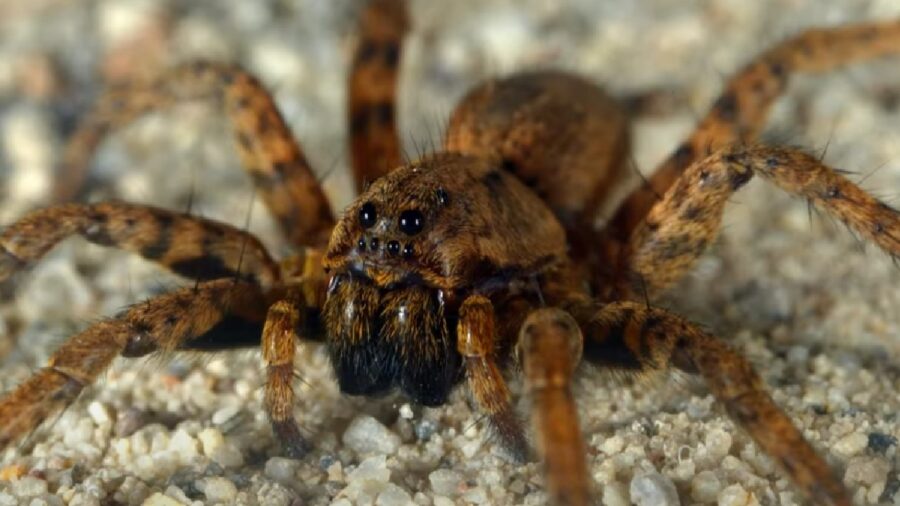
Bog-adapted spiders tend to show robust legs for moving across wet surfaces and vegetative stems, cryptic coloration to blend with peat, and sensory adaptations for detecting prey in noisy, aquatic-influenced environments. Behaviorally, many are active hunters rather than web-builders — think of them as ambush or pursuit predators that dart among vines and litter. Others build small sheet webs or tangle webs in low vegetation patches where flying insects congregate.
Life Cycle and Seasonality
Like most temperate spiders, many bog-dwelling species have annual or multi-stage life cycles keyed to seasonal temperature and water availability. Egg sacs are often tucked into leaf litter or clumped vegetation to avoid flooding. Juveniles may overwinter either as spiderlings or subadults and emerge to match the insect peaks that follow cranberry flowering. The timing matters: harvest and flood schedules can profoundly influence which life stage is present at any given time.
Cranberry Bog Ecosystems — A Snapshot
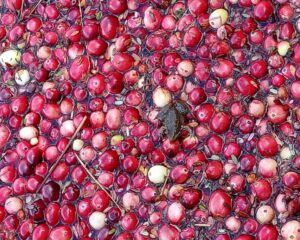
A cranberry bog is typically a shallow, peat-lined surface with bench-like ridges of planted vines separated by ditches or floodable areas. The cultivated species (Vaccinium macrocarpon) is managed with seasonal flooding, mowing, and occasional pesticide or fungicide applications. But underneath the agricultural sheen is a functioning wetland: water filters, peat stores carbon, and an insect-rich community cycles energy. This heterogeneous environment is what makes bogs attractive to spiders.
Managed vs. Wild Bogs
Managed cranberry farms differ from wild peatlands in disturbance frequency (harvest floods, mowing), plant structure (dense monoculture vs. diverse native plants), and chemical usage. These differences change habitat complexity and prey communities — sometimes increasing resources for generalist spiders (by boosting certain herbivore outbreaks) while reducing habitat for specialists that need undisturbed litter or native plant refugia.
Why Bog Spiders Thrive in Cranberry Fields
At first glance a commercial monoculture seems inhospitable. But bog spiders exploit microhabitats: the raised vine beds, the moist litter along ditches, and the wetted edges where aquatic insects emerge. Prey pulses — such as aphid blooms on vines or chironomid emergences from ditches — provide food at predictable times. Spiders that can time reproduction with these pulses and seek out refuges during floods do especially well.
Microtopography and Microclimate
Picture a cranberry bed like a miniature archipelago: raised ridges (drier micro-sites), shallow depressions (soggy edges), and flooded ditches. Each microtopographic feature creates distinct temperature and humidity profiles. Spiders partition these spaces: some prefer the slightly drier ridge margins where spiders can chase down beetles; others sit at water edges to snare emerging midges. Microclimate also affects prey availability and spider activity windows — on cool mornings spiders may bask or remain low in cover, while warm evenings trigger hunting frenzies.
Prey Base and Trophic Role
Cranberry fields host aphids, scale insects, thrips, beetles, moth larvae, midges, and many other arthropods. Spiders, as generalist predators, help regulate these populations. They serve both as direct controllers of pest species and as a food source for higher predators (e.g., birds, amphibians). Put simply: bog spiders are the hidden middle managers of bog food webs.
Interactions with Farming Practices
Farming ticks a lot of boxes for both harm and help. Flooding — a common harvest and winter management tool — can displace spiders but also reset pest populations. Mowing encourages younger vegetation that may temporarily increase insect prey, while pesticides pose an obvious threat. The relationship between spiders and farm practice is nuanced: some practices reduce spider abundance but others can create refuges or boost prey, indirectly supporting spider survival.
Positive Interactions — Natural Pest Control
One of the most compelling arguments for spider-friendly management is biological control. Studies in similar cropping systems show spiders reduce herbivore abundance and can lower pest pressure enough to reduce pesticide reliance. In cranberries, spiders are particularly effective against ground-active pests and small, mobile herbivores that hide in low vegetation — exactly the sort of insects that cause direct damage or vector disease.
Negative Interactions — Pesticides and Habitat Loss
Broad-spectrum insecticides and fungicides can decimate non-target arthropods, spiders included. Drift into ditches, or repeated applications during spider reproductive periods, can collapse local spider populations. Habitat loss from removing riparian vegetation or draining ditches further reduces refugia where spiders can survive floods or pesticide pulses.
Research Methods for Studying Bog Spiders
If you want to study these spiders, here are common methods: pitfall traps to sample ground-active species, sweep nets for vegetation-dwelling spiders, emergence traps on ditches to catch aquatic-emergent prey and associated predators, and visual transects for timed searches. Pitfall arrays across microtopographic gradients (ridge, mid-bed, ditch edge) provide insights into spatial partitioning. Mark–recapture is less common but useful for movement studies.
Practical Field Tips
Safety first — bogs can be wet and slippery. Wear suitable boots and bring a long pole for probing deeper water. For trap placement, stagger arrays to include both flooded and non-flooded zones and check traps quickly after heavy rain. Time your surveys to coincide with prey pulses (e.g., post-blooms or chironomid emergences) to catch activity peaks.
Conservation and Management Recommendations
How do we balance cranberry production and spider conservation? Start with integrated pest management (IPM) that prioritizes monitoring and targeted treatments rather than blanket applications. Create microhabitat mosaics: maintain unmown vegetation strips on ditches, leave cobble or woody debris on margins, and reduce tillage where feasible. Small changes often yield big biodiversity benefits.
Integrated Pest Management (IPM) Strategies
Use pheromone or sticky traps to monitor pest thresholds before spraying. When treatment is required, choose selective agents and apply them at times that minimize impact on spiders (for example, avoid spraying during peak spider reproductive activity). Consider augmentative strategies like banker plants to sustain beneficial insects and spiders.
Habitat Enhancements
Planting native sedges and grasses along ditch edges provides structural complexity and overwinter refugia. Installing shallow refugia mounds that are not flooded during harvest can be refuge for ground-active spiders. Even maintaining small buffer strips of unmowed vegetation reduces pesticide drift and supplies alternative prey.
Broader Ecological and Research Implications
Bog spiders are more than crop helpers — they are indicators of wetland health. Because they respond to hydrological changes, pesticides, and vegetation structure, monitoring spider communities can tell us about long-term ecosystem shifts, carbon-storage potential, and climate resilience. For researchers, cranberry bogs are microcosms linking agriculture and wetland ecology.
Conclusion
Cranberry fields may look like uniform production landscapes, but they host a dynamic web of life. Bog spiders — adaptable, generalist, and often overlooked — play a major role in those webs. By understanding their biology, microhabitat needs, and interactions with farming practices, growers and ecologists can design landscapes that are productive and biodiverse. Want fewer pesticides and healthier crops? Pay attention to the spiders underfoot; they might already be doing the job for you.
FAQs
Are bog spiders harmful to cranberry crops or people?
No — bog spiders primarily prey on insects and are beneficial for crops by reducing pest numbers. Most bog spiders are non-aggressive toward humans and their bites are rare and mild.
Will flooding during harvest kill the spider population?
Flooding displaces many spiders temporarily, but populations often recover if refugia (unflooded areas, ditch banks) remain. Timing and frequency of floods matter for long-term population persistence.
Can growers rely solely on spiders for pest control?
Not solely. Spiders contribute significantly to pest suppression but are one component of a broader IPM toolkit that includes monitoring, selective pesticides, and habitat management.
Which farming practices most benefit bog spiders?
Practices that preserve habitat complexity — such as maintaining ditch vegetation, reduced tillage, and using targeted pest control — are the most beneficial.
What’s the best way to survey bog spiders on my farm?
A combined approach works best: pitfall traps for ground-active species, sweep nets for low vegetation-dwellers, and timed visual searches after dawn or dusk when spiders are most active. Place sampling across ridge–ditch gradients for full coverage.
- Discover the hidden world of bog spiders in cranberry fields and their vital role in balancing wetland ecosystems.
- Learn how these tiny predators support biodiversity and even help farmers with natural pest control.