Cranberry bogs look like tidy rows of red fruit from a distance, but up close they’re bustling wetland micro-worlds full of strange, nimble life. Among the unsung residents are the spiders that researchers and harvesters fondly (and sometimes nervously) call “bog spiders.” In this piece we’ll unpack who these spiders are, why bird species like warblers sometimes show up during harvests, what adaptations let spiders thrive on soggy peat and floating berries, and why ecologists should care.
Quick note: “warbler cranberry bog spiders” is a colloquial phrase used online and in field stories — it’s not a formal taxonomic name but a tidy label for spiders found in cranberry wetland systems.
Why cranberry bogs are special wetland habitats
Cranberry bogs are a patchwork of pools, raised beds, ditches and dense low vegetation. They are often acidic, saturated with water, and seasonal in their hydrology — conditions that favor a distinct community of invertebrates. For spiders, cranberries and the associated vines offer structure for hunting, refuge for egg sacs, and floating platforms when harvests flood the bogs.
What people mean by “bog spiders” and the phrase “warbler cranberry bog spiders”
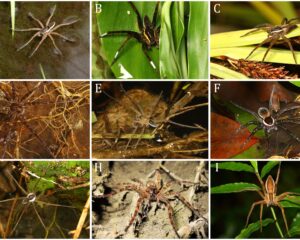
When you hear “bog spiders,” think of a habitat-based nickname rather than a single species. The phrase groups together spiders commonly encountered in bogs: wolf spiders that run on the peat, semi-aquatic fishing spiders that hunt along water margins, orb-weavers that anchor webs among bushes, and nimble jumpers that stalk prey.
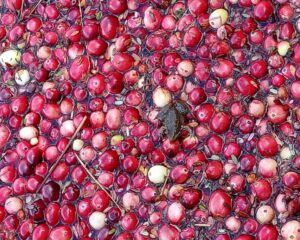
The “warbler” bit mostly pops up in natural-history vignettes describing the memorable sight of warblers or other birds foraging on floating cranberries to pick off stranded spiders during a flooded harvest.
Common spider families in cranberry bogs
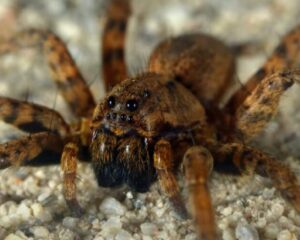
Wolf spiders (Lycosidae)
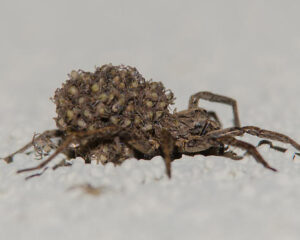
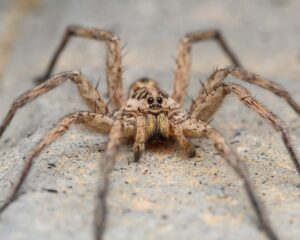
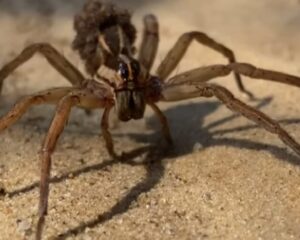
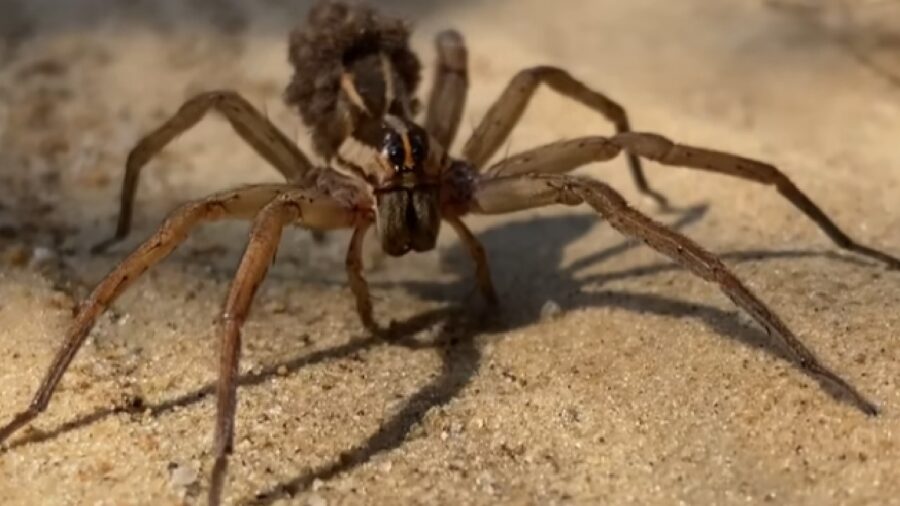
Wolf spiders are agile, ground-running predators. In a cranberry bog they hunt along the vines and on exposed peat, chasing or ambushing insect prey. They don’t build ornate webs; instead, they rely on speed, eyesight and tactile hairs to locate prey.
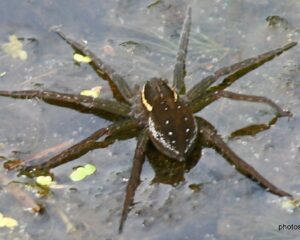
Fishing/raft spiders (Dolomedes — Pisauridae)
Some Dolomedes species are large, semi-aquatic spiders famous for patrolling water margins, sensing surface vibrations, and even taking aquatic prey like bugs or small fish. Their legs and body design let them exploit the water’s surface tension and emergent vegetation as hunting platforms.
Orb-weavers, jumping spiders and nursery-web spiders
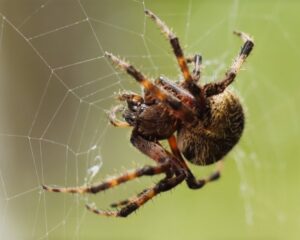
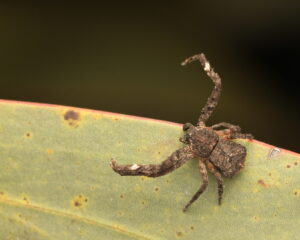
Orb-weavers (Araneidae) and jumping spiders (Salticidae) make use of shrubs, sedges and vine supports to build webs or launch ambushes. Nursery-web spiders and related taxa use vegetation to shelter egg sacs and juvenile webs.
Adaptations for life in soggy, acidic environments
Cranberry bog spiders show a suite of behavioral and morphological tricks that let them persist where soils are wet and acidity can be high.
Hydrophobic legs, sensory hair, semi-aquatic tactics
Hydrophobic setae (hairs) repel water, allowing legs to stay dry; trichobothria and other sensory hairs pick up vibrations. Combined, these traits let some spiders hunt across the water surface or cling to floating objects rather than drown.
Feeding ecology: what bog spiders eat and how they hunt
Cranberry bog spiders feed on a broad diet of insects (flies, beetles, moths), aquatic invertebrates, and even small amphibians or fish in the case of larger Dolomedes. This dietary breadth is why spiders are efficient regulators of invertebrate communities in bog systems.
Role in pest control for cranberry crops
Spiders can contribute to natural pest suppression in cranberry agriculture. There are documented instances where growers have observed fewer herbivorous pests in bogs with abundant spider populations.
Bird–spider interactions: warblers and the floating-berry phenomenon
One of the most charming wetlands anecdotes is the image of small birds — often warblers or yellow-rumped warblers — following a flooded harvest and gleaning spiders from the floating berries.
Why birds follow harvests — snack time on floating berries
For birds: predictable foraging events are irresistible. Flooded bogs temporarily concentrate mobile prey (insects and spiders) on a small, exposed surface — easy pickings for a hungry warbler on migration.
Life cycle and reproduction in bog conditions
Many bog-associated spiders synchronize egg-laying and juvenile development to local hydrology: eggs and nursery webs are produced where they’re less likely to be submerged, and juvenile dispersal often happens in drier months.
Spiders as bioindicators and conservation concerns
Because spiders are sensitive to microhabitat change and prey availability, their presence and community composition offer clues about bog health. A diverse, balanced spider community often signals intact hydrology and low pesticide pressure.
Impact of pesticides and habitat management
Broad-spectrum insecticides don’t discriminate: beneficial predators decline alongside target pests. That’s why growers moving toward organic or reduced-chemical management often see greater predator retention.
How to observe cranberry bog spiders ethically (field tips)
If you’re a student or ecologist planning a bog survey: get permission from landowners, conduct surveys outside of peak harvest disturbance, use sweep-nets or pitfall traps, and avoid damaging vines or nesting perches.
Citizen science and research opportunities
Citizen science platforms like iNaturalist are valuable for mapping spider occurrences in wetlands. Harvest seasons produce predictable spikes in visibility, which volunteers can document.
Implications for wetland management & organic farming
Protecting predator communities supports both biodiversity and crop health. Managers can promote spiders by reducing unnecessary insecticide drift and preserving complex edge habitats.
Common myths and safety — are bog spiders dangerous?
Most spiders found in cranberry bogs are not medically dangerous to humans. Bites are rare, usually mild, and many species avoid humans.
Practical takeaways for ecologists, birders, and students
- Treat “warbler cranberry bog spiders” as a habitat-based phrase, not a species name.
- During wet harvests, watch for warblers gleaning spiders off floating berries.
- Track spider families like Lycosidae and Pisauridae to monitor bog health.
- Support pest management practices that preserve predator guilds.
Conclusion
Cranberry bog spiders are small but mighty participants in a complex wetland food web. They stabilize invertebrate populations, provide opportunistic meals for migratory birds, and show fascinating adaptations to water-saturated life. For ecologists, growers and birders alike, bogs are living laboratories — and the spider stories that emerge remind us that even agricultural landscapes are full of ecological surprises.
FAQs
Q1: What exactly are “warbler cranberry bog spiders”?
A: It’s a colloquial label referring to spiders commonly found in cranberry bogs — and to the spectacle of warblers gleaning spiders from floating cranberries during harvests.
Q2: Are the spiders in cranberry bogs dangerous to people?
A: Generally no. Most species are harmless; bites are uncommon and usually mild.
Q3: Can spiders actually help cranberry farmers by eating pests?
A: Yes — spiders contribute to natural pest regulation and are part of integrated pest management strategies.
Q4: How do fishing spiders (Dolomedes) hunt on water?
A: They use long legs and sensitive hairs to detect vibrations on the water surface and can run across it to capture prey.
Q5: How can I help monitor bog spider communities?
A: Join or launch local surveys using standardized transects or iNaturalist, and collaborate with growers for field access.
Discover the fascinating world of warbler cranberry bog spiders—rare wetland creatures with unique survival secrets. 🕷️🌿
Uncover their hidden role in ecology and why these spiders are vital to cranberry bog ecosystems.